Why Does Every Drummer Ask for Different Cymbals?
Quick Answer
Professional cymbal selection begins with the drummer, arrangement and stage rather than a universal brand ranking. Size, weight, profile, hammering, lathing and alloy affect pitch, attack, sustain, darkness and projection, while the individual cymbal and the player's touch determine the final result. A cymbal that works for a loud outdoor show may overwhelm an acoustic arrangement or small broadcast stage.
Cymbals are highly personal
The stick meets the cymbal directly, so response and rebound affect the performance as much as the sound. Players develop control around familiar weights and voices. Two cymbals with the same printed diameter may open, decay and project very differently.
The construction variables
Diameter influences pitch and spread; weight affects response and projection; profile and bell shape influence pitch and definition; hammering and lathing shape complexity and sustain. B20 bronze is an alloy family, not a quality grade or a promise that every cymbal will behave alike. Alloy provides tendencies, while design, manufacturing choices and the individual cymbal determine the useful result.
Music and venue change the choice
A thin dark crash may blend beautifully in a theatre but disappear on a loud outdoor stage. A heavy bright cymbal may cut through amplified music but dominate a quiet room. Microphones, shields, IEMs and stage volume also change how the player experiences it.
Why riders list exact series
An exact request may protect a familiar response or a production's tonal consistency. When substitutions are allowed, compare role and behaviour: main crash, secondary crash, ride definition, hi-hat weight and effect voice. Do not replace by diameter alone.
Shared festival cymbals
Shared cymbals can speed changeovers only when artists approve them. Label positions, inspect edges and keyholes, prepare suitable felts and sleeves, and keep artist-owned cymbals clearly separated. The changeover plan should distinguish shared hardware from personal breakables.
Compare voices in the collection
Use collection pages as starting points, not a league table. Meinl Byzance Traditional and Meinl Byzance Dark support different complex and darker directions. Paiste Signature and Paiste 2002 offer distinct professional voices for controlled musical detail or brighter amplified projection. Sabian HHX Complex and Sabian AAX cover contrasting dark-complex and modern-bright requirements, while the Zildjian A Custom Cymbal Pack provides a polished, articulate option for amplified pop and rock contexts. Explore the complete Cymbal Rental collection, then confirm the actual series, sizes, weights and role required by the rider.
Choose by role before brand
Start with the required voices: hi-hats, main and secondary crashes, ride, crash-ride and any effects. Then define how quickly each cymbal should open, how long it may sustain, how much stick definition is needed and how it must sit beside vocals, guitars, keyboards and percussion. Brand and series become useful shorthand only after those musical and production requirements are clear. For festivals and substitutions, compare behaviour role by role instead of replacing one logo with another.
Explore the cymbal capability
How cymbals affect the rest of the production
Cymbals are captured by overhead, spot and ambient microphones, but they also enter vocal and instrument microphones. Their level can determine how much gain and brightness the audio team can use elsewhere. A highly projecting ride may be ideal for articulation yet dominate a compact reflective stage. The monitor method matters too: a drummer on isolating in-ears may play differently from one hearing the acoustic kit and wedges in the room.
Preparation and substitution checklist
Record the series, diameter, weight class and musical role of every required cymbal. Inspect edges, bells and centre holes; prepare sleeves, felts, washers and locks; and confirm whether stands are shared or personal. When proposing an alternative, explain its response rather than offering a brand name alone. Keep artist-owned cymbals identified from arrival through load-out, and never photograph identifying marks or private setups without permission.
Bring the approved cymbal list into the complete drum-rider specification, including the stand and mounting requirements for each position.
Related Equipment
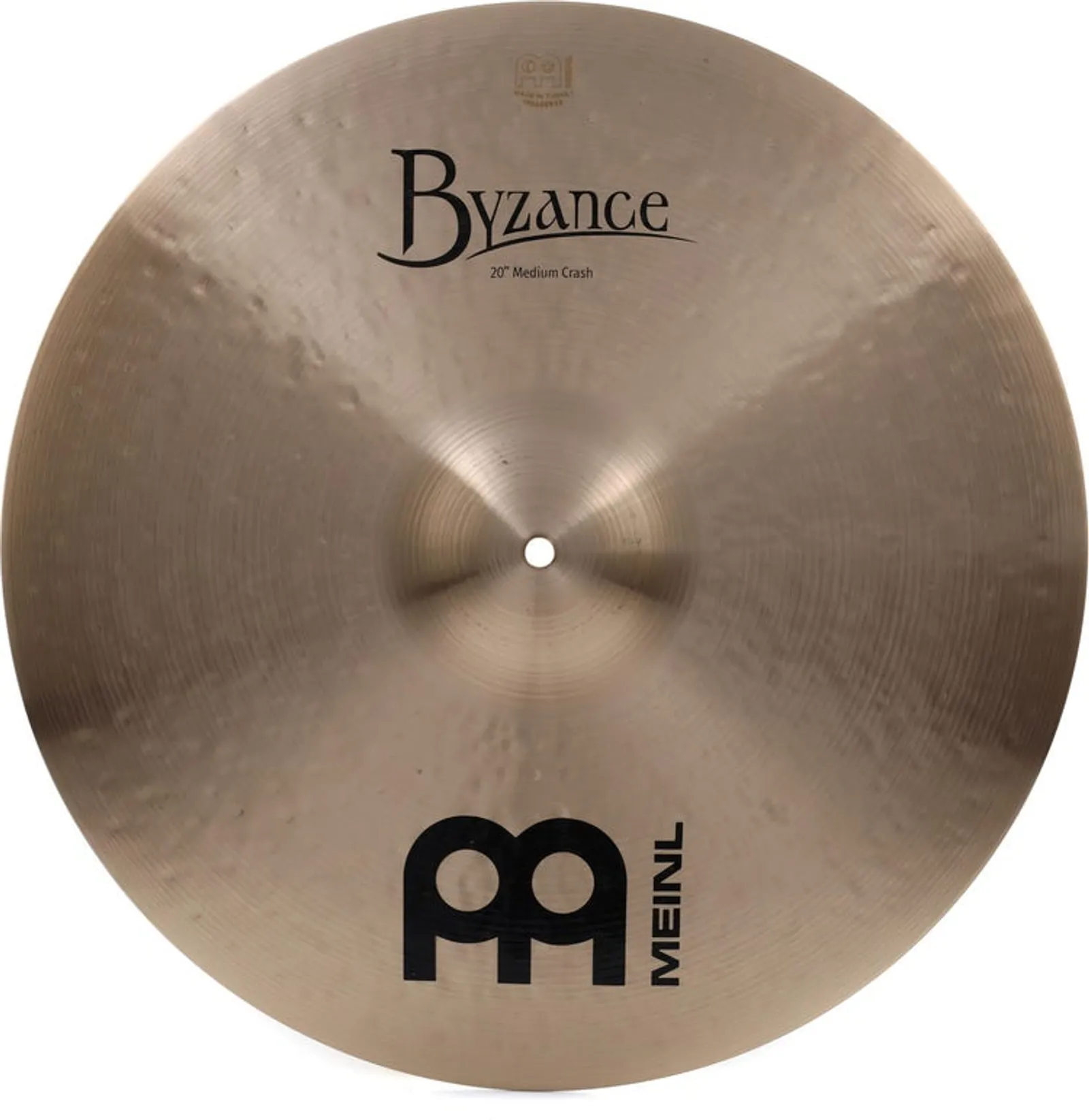 Professional CymbalsMeinl Byzance Traditional
The Meinl Byzance Traditional series is a professional cymbal range with Alloy: B20 bronze; Range: Full cymbal family; Finish: Traditional, prepared for rider-led concerts, festivals and touring productions.
Explore →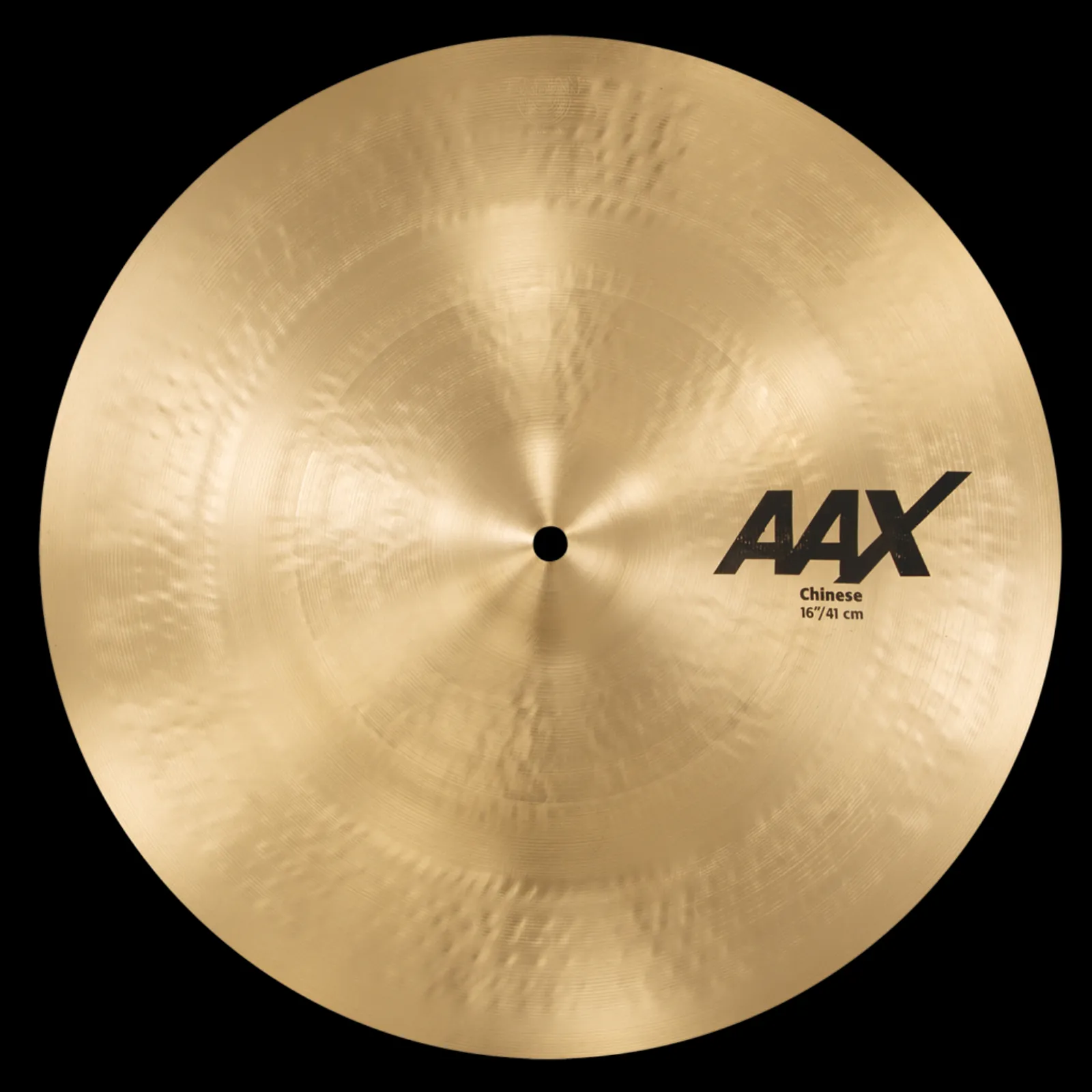 Professional CymbalsSabian AAX
The Sabian AAX series is a professional cymbal range with Alloy: B20 bronze; Range: Professional cymbal family; Character: Bright and cutting, prepared for rider-led concerts, festivals and touring productions.
Explore →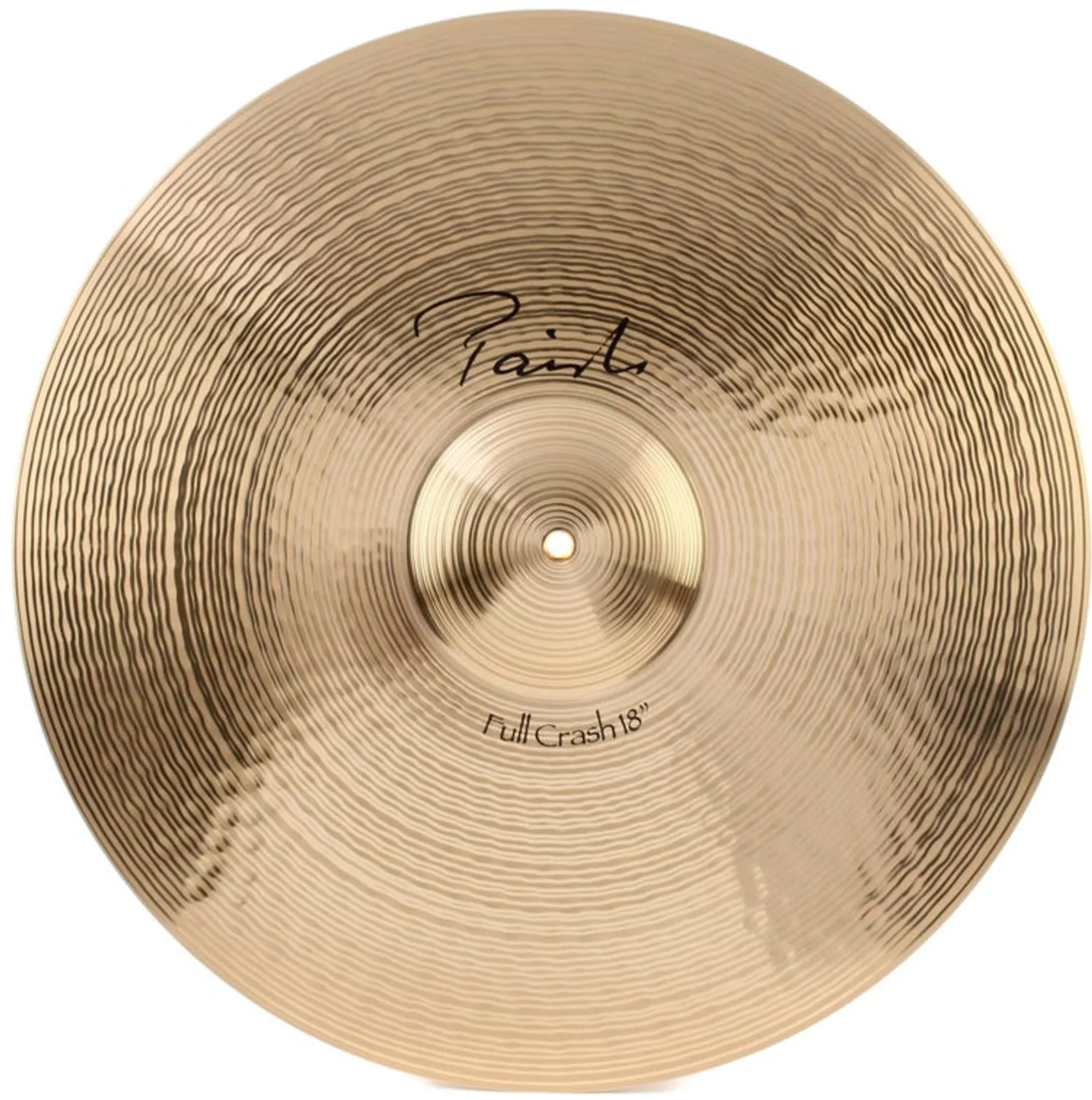 Professional CymbalsPaiste Signature
The Paiste Signature series is a professional cymbal range with Alloy: Signature bronze; Range: Professional cymbal family; Character: Full and musical, prepared for rider-led concerts, festivals and touring productions.
Explore →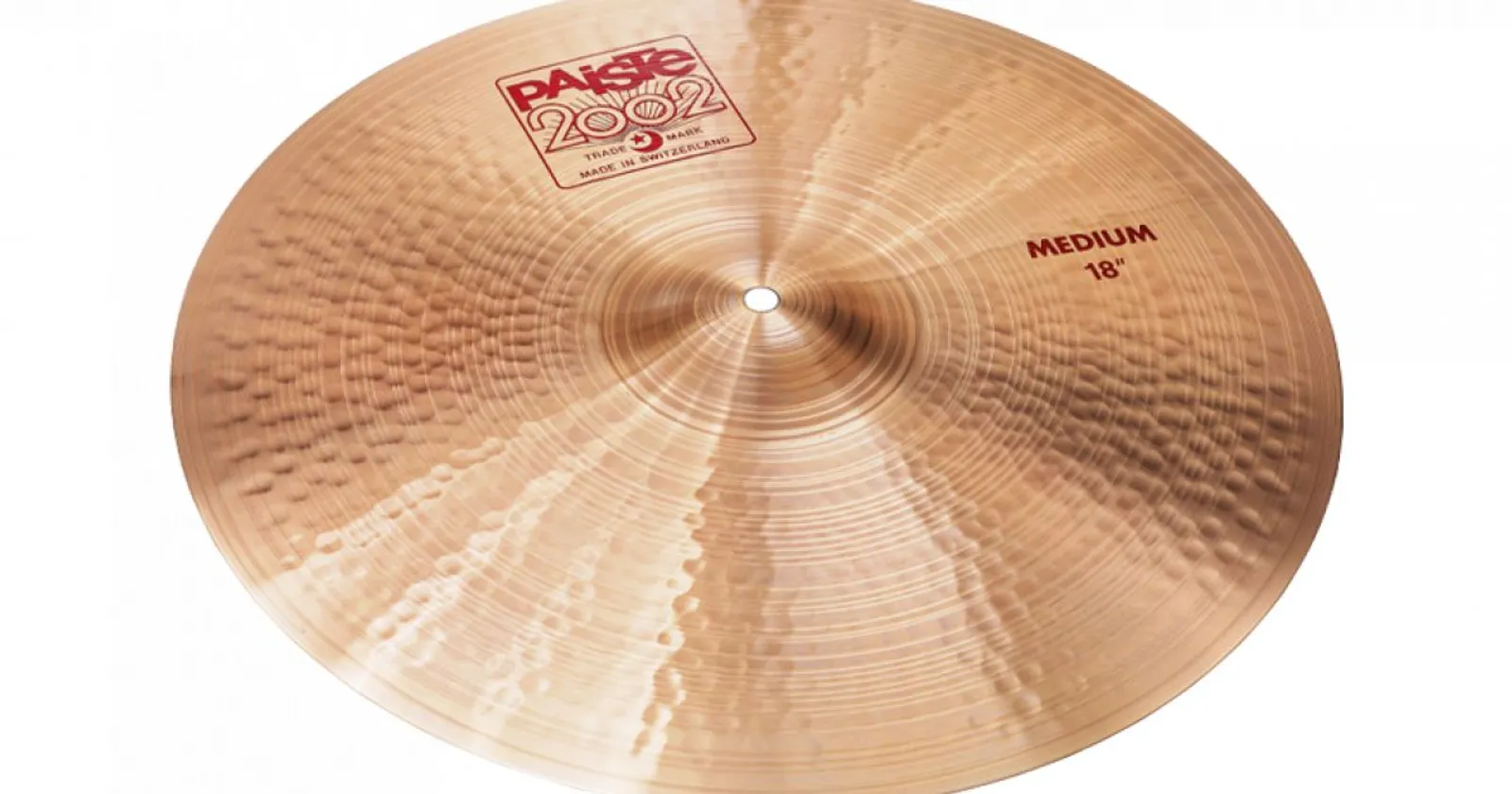 Professional CymbalsPaiste 2002
The Paiste 2002 series is a professional cymbal range with Alloy: CuSn8 bronze; Range: Professional cymbal family; Character: Bright and powerful, prepared for rider-led concerts, festivals and touring productions.
Explore →Frequently Asked Questions
Are expensive cymbals automatically suitable?
No; quality does not guarantee the right voice for the arrangement.
Can one festival set work for every act?
Only with artist approval and a carefully chosen range.
Continue Exploring
Confirm sticks, brushes, mallets, spares and approved alternatives before renting drum backline. Small personal items should never be left to assumption.
Explore →Backline FundamentalsWhat Is Backline? A Professional Guide to Backline Gear RentalLearn what professional backline really means and how touring-grade equipment, proven preparation methods and production expertise support successful live events across India.
Explore →