What Is Backline? A Professional Guide to Backline Gear Rental
Professional backline is more than equipment. It is production readiness.
60-Second Summary
Backline refers to the musical instruments and performance equipment artists physically use on stage, including drum kits, keyboards, amplifiers, percussion, stands and accessories. Professional backline goes further: it combines the right equipment with rider review, preparation, logistics and technical support so artists receive a complete, familiar and dependable performance system.
Backline Is the Foundation of Every Live Performance
When people hear the word backline, they usually think of drum kits, keyboards and amplifiers sitting on a stage. Those instruments are the visible part of backline, but the work begins before an artist arrives at the venue.
At The Backline Company, we define professional backline by the preparation behind the equipment. Rider review, technical understanding and careful allocation help create a stage that feels familiar and ready when the artist arrives.
Professional backline combines equipment with production readiness.
What Is Backline?
Backline refers to the musical instruments and performance equipment used by artists during a live performance.
Depending on the production, this may include:
- Acoustic and electronic drum kits
- Keyboard workstations and stage pianos
- Guitar amplifiers and speaker cabinets
- Bass amplifiers
- Percussion instruments
- Instrument stands
- Drum hardware
- Pedals and accessories
- DI boxes and artist-specific equipment
Unlike sound, lighting or video systems, backline is the equipment musicians physically interact with throughout their performance.
Every artist has unique preferences, making consistency just as important as quality.
For department boundaries, see backline versus sound. For supply responsibility, use artist-carried versus locally supplied equipment.
How We Approach Backline at The Backline Company
People often assume that once a production is confirmed, we simply select equipment from our inventory and prepare it for dispatch.
In reality, selecting equipment is one of the last decisions we make.
The first step is understanding the production.
Before allocating a single instrument, we review:
- The artist's technical rider
- The stage plot
- Venue logistics
- Performance schedule
- Load-in and rehearsal timings
- Stage changeover requirements
- Previous artist preferences, where available
Only after understanding the production do we begin preparing equipment, so each allocation supports the performance rather than only matching an equipment list.
A Backline Setup Is Built as One Performance System
Professional backline is prepared as a complete performance system rather than one item at a time.
A keyboard isn't simply tested to ensure it powers on. It's matched with the correct stand, sustain pedal, audio connections and accessories specified for that production.
A drum kit isn't prepared as shells and hardware. It's assembled around the drummer's expected configuration, including pedals, throne, cymbal stands, mounting hardware and every accessory needed for rehearsals and the show.
When artists arrive, they shouldn't have to think about what's missing.
Everything should already feel familiar.
The Warehouse Is Where Successful Productions Begin
Many people believe the most important work happens during load-in.
Our experience says otherwise.
The warehouse is where production problems are prevented.
Before dispatch, equipment is:
- Allocated against the rider
- Inspected for condition
- Function tested
- Matched with the correct accessories
- Packed according to the production plan
- Checked for completeness before loading
One overlooked accessory can delay an entire rehearsal.
We've learnt that careful preparation in the warehouse saves far more time than problem-solving at the venue.
For the preparation process behind those checks, read how professional backline is prepared before the show.
Delivery Is Only One Stage of the Process
Arriving at the venue does not complete the backline task. Equipment still needs to be positioned, assembled and checked against the agreed stage plan.
The Backline Company includes professional technicians for equipment setup and teardown with every rental. Rehearsal attendance, soundcheck support and performance standby are agreed separately for the production. Transportation, including delivery and collection arrangements, is quoted separately according to location and logistics.
When extended support is agreed, controlled artist adjustments can be incorporated without treating an open-ended show call as part of an equipment handover.
What Experience Has Taught Us
Our experience is that production delays often begin with details rather than major equipment failures.
A missing clamp.
The wrong keyboard stand.
An outdated rider.
An amplifier prepared without the requested footswitch.
A drum throne that wasn't packed because it was assumed to be part of the venue inventory.
These are small issues individually.
Together, they affect rehearsals, artist confidence and production timelines.
Attention to detail is the job.
Why Professional Backline Matters
Artists spend countless hours rehearsing before stepping onto a stage.
The equipment waiting for them should never become another variable.
Professional backline supports consistency between rehearsal and performance. It gives production teams a prepared equipment plan and lets artists focus on the performance.
When preparation has been done properly, backline almost disappears into the background.
That's exactly how it should be.
Key Takeaways
- Backline is the musical equipment artists physically use during a performance.
- Professional backline begins with understanding the production, not selecting inventory.
- Equipment is prepared as a complete performance system rather than individual rental items.
- Warehouse preparation prevents small details from becoming rehearsal delays.
- Equipment setup and teardown are included; rehearsal and show attendance are separately agreed.
Related Equipment
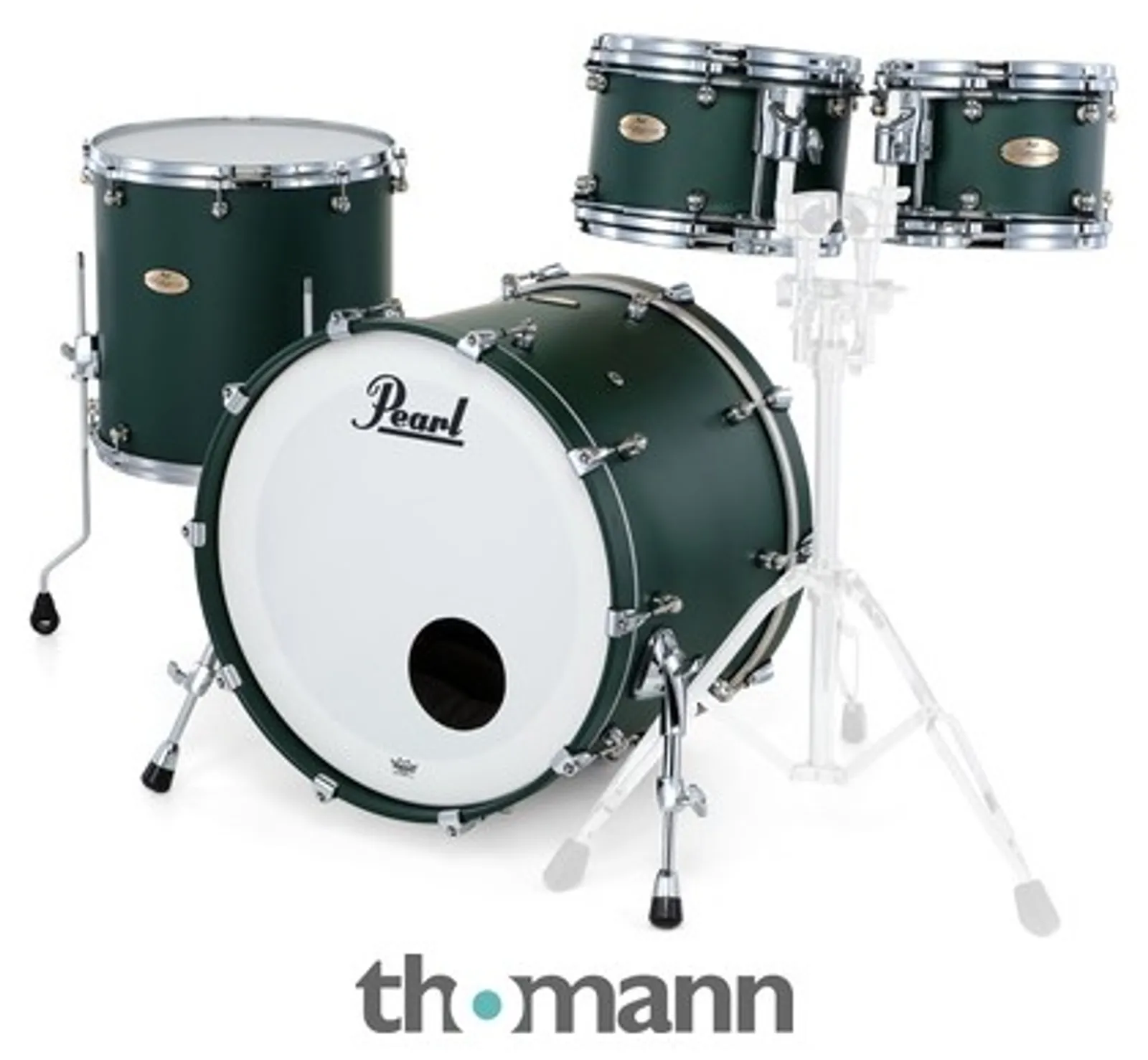 Drum KitPearl RF1P924XESP-L/C(155) Reference1 4 Pcs Drum Shell Pack - Scarlet Fade
The Pearl RF1P924XESP-L/C(155) Reference1 4 Pcs Drum Shell Pack - Scarlet Fade is listed in The Backline Company collection as a drum kit. It is allocated against the approved rider, inspected before dispatch, and prepared with the required stage hardware, cabling and accessories for professional productions.
Explore →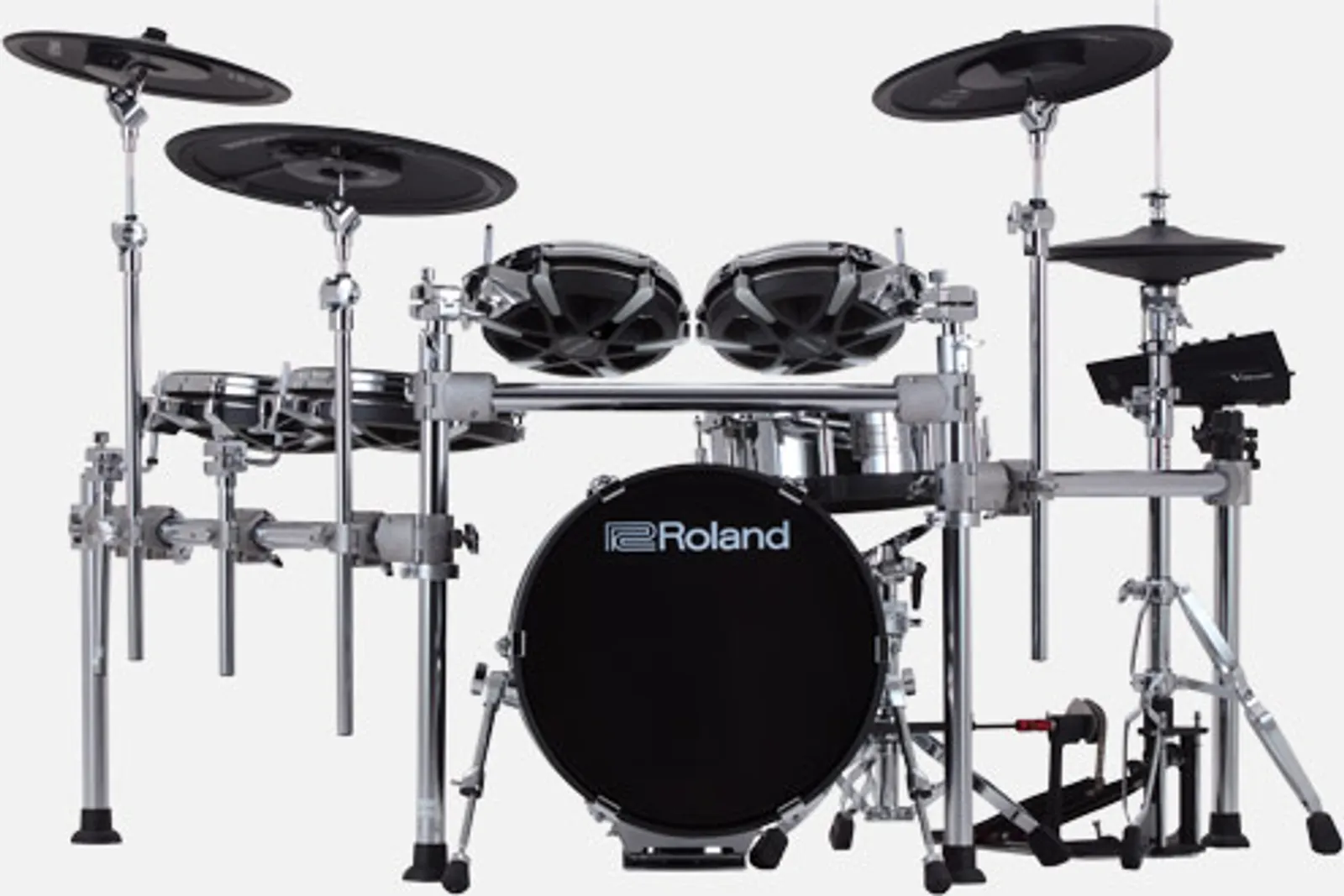 KeyboardRoland KC-990 Stereo Mixing Keyboard Amplifier
Roland KC-990 stereo keyboard amplifier rental across India, prepared with tested inputs, stereo outputs and rider-led stage routing.
Explore →Planning a live production in India?
Turn the equipment list into a backline rental plan.
Explore equipment, production support and route planning for concerts, festivals and tours across India. The rental guide explains what to share before requesting a quote.
Explore Backline Rental Across IndiaFrequently Asked Questions
What equipment is included in professional backline?
Professional backline commonly includes drum kits, keyboards, guitar amplifiers, bass amplifiers, percussion, hardware, stands, DI boxes and performance accessories. The exact list depends on the artist rider and production requirements.
Continue Exploring
Discover why professional backline is built through meticulous preparation, touring-grade equipment and proven production methods long before show day.
Explore →Backline FundamentalsBackline vs Sound: Why Both Must Work TogetherLearn the difference between backline and sound, how both departments work together, and why proper coordination is essential for successful live productions.
Explore →Did this article answer your question?
Help us make The Handbook more useful for real productions.