Search
Navigate equipment, knowledge and production experience.
We found the strongest matches for bass speaker cabinet across equipment, The Handbook, The Backline Company Standards™, Principles™ and real production stories.
Ampeg equipment available through The Backline Company's professional backline collection, prepared for rider-aware live productions across India.
Explore this result →
The Makers
Brand pages, available equipment and maker context connected to your search.
Bass AmplifierAmpegAmpeg equipment available through The Backline Company's professional backline collection, prepared for rider-aware live productions across India.
 Bass GuitarMusic Man
Music Man equipment available through The Backline Company's professional backline collection, prepared for rider-aware live productions across India.
BrandHHHusherThe KickBlock is a lightweight, shock-absorbing bass drum anchor that prevents your kick drum and pedals from sliding during play. Using custom Ultra-Grip hook-and-loop fasteners, it grips directly onto your Velcro-compatible drum rug to create a solid wall in front of your kit. The anchor is made of dense, high-performance foam and weighs roughly 6 ounces, making it highly portable for gigs and studio sessions. It works with both acoustic and electronic drum kits, and is designed to protect your drum hoops from scratching or denting.
BrandKickBlockThe KickBlock is a lightweight, shock-absorbing bass drum anchor that prevents your kick drum and pedals from sliding during play. Using custom Ultra-Grip hook-and-loop fasteners, it grips directly onto your Velcro-compatible drum rug to create a solid wall in front of your kit. The anchor is made of dense, high-performance foam and weighs roughly 6 ounces, making it highly portable for gigs and studio sessions. It works with both acoustic and electronic drum kits, and is designed to protect your drum hoops from scratching or denting.
BrandMarkbass2 equipment items available through The Backline Company.
Equipment
Touring-grade equipment matches selected from The Collection.
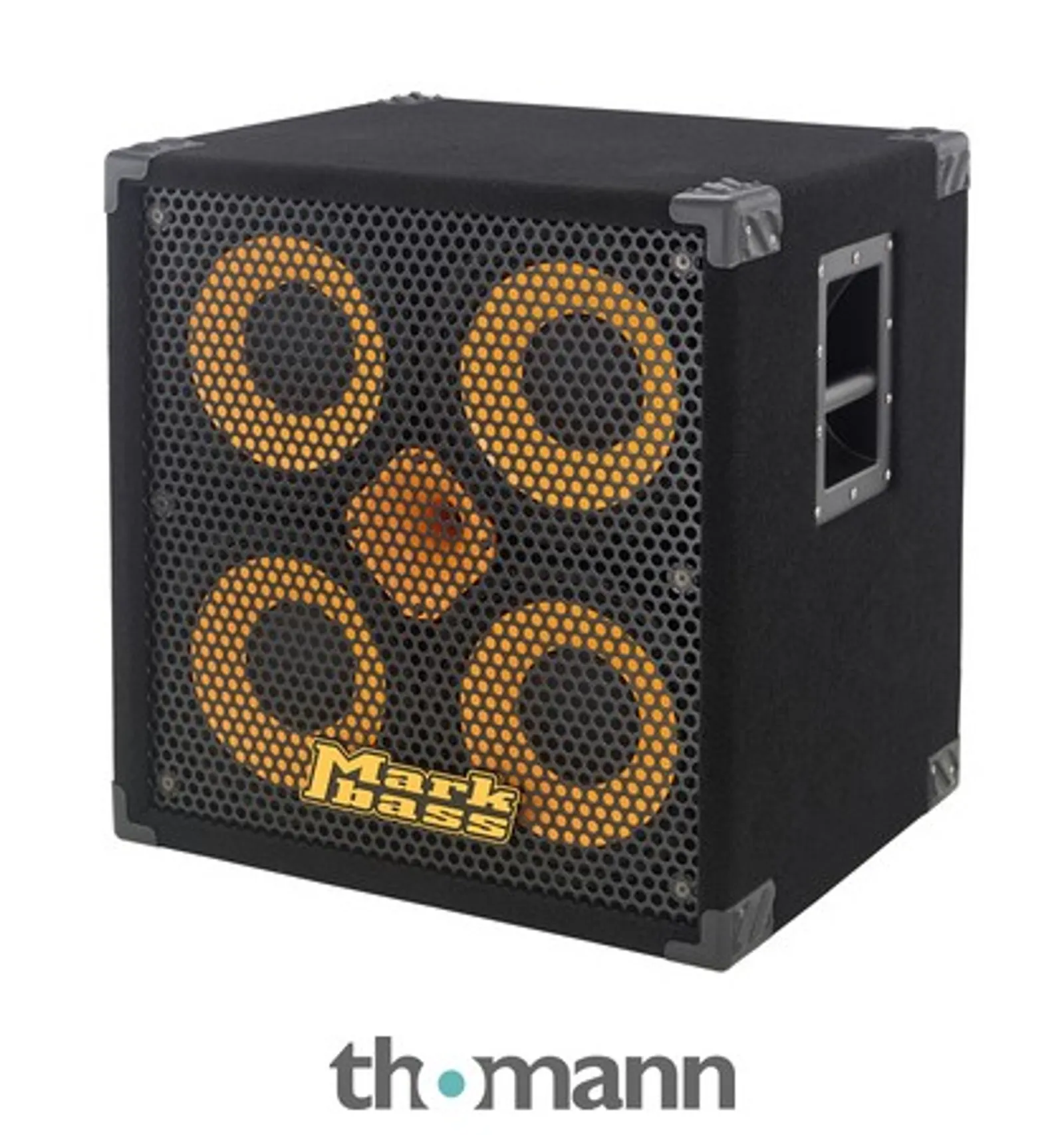 Bass AmplifiersMarkbass Standard 104HR
Bass Speaker Cabinet
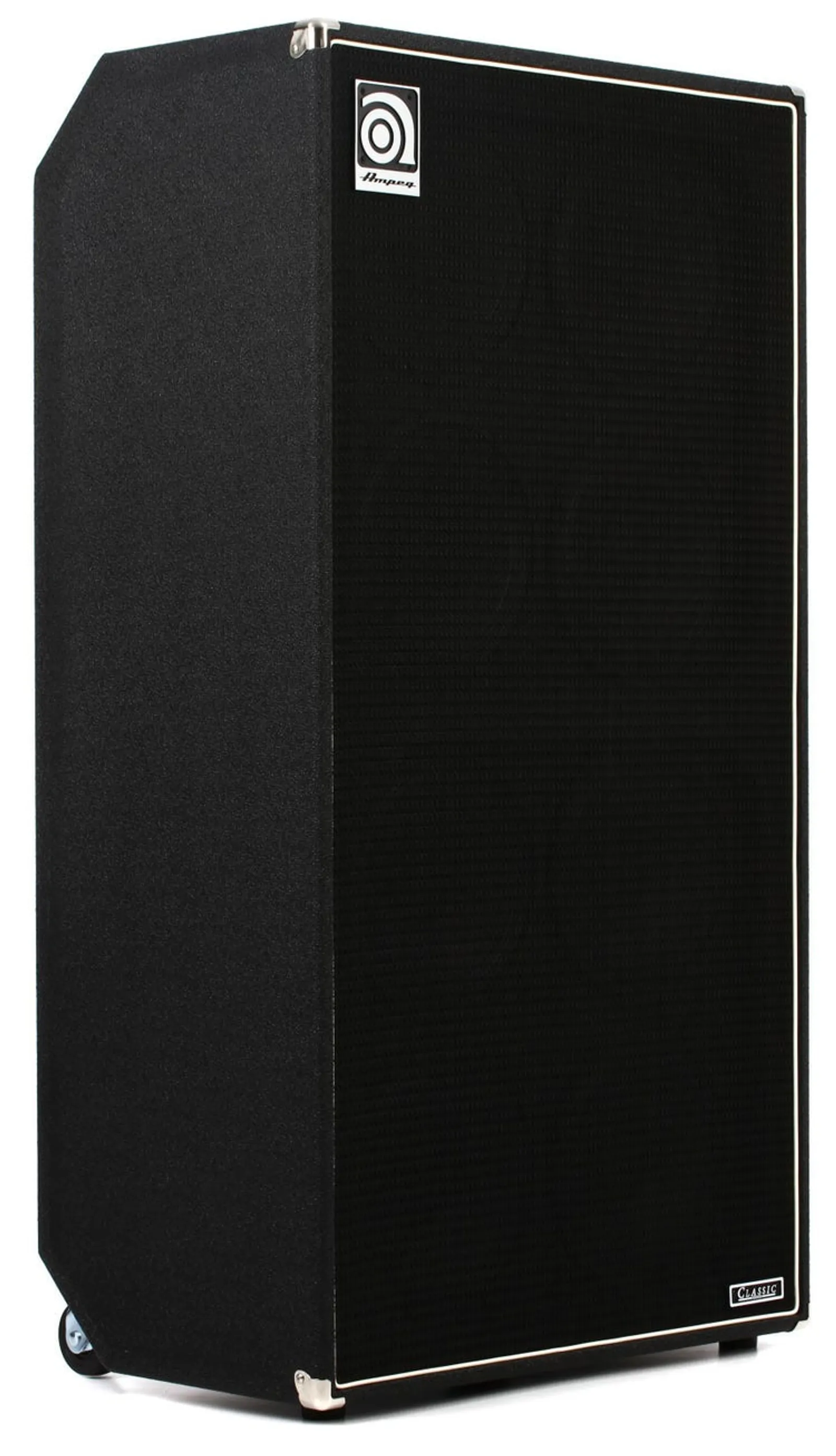 Bass AmplifiersAmpeg SVT-810E
Bass Speaker Cabinet
 Bass GuitarsMusic Man StingRay Special
Bass Guitar
 Bass GuitarsMusic Man StingRay 5 Special
Five-String Bass Guitar
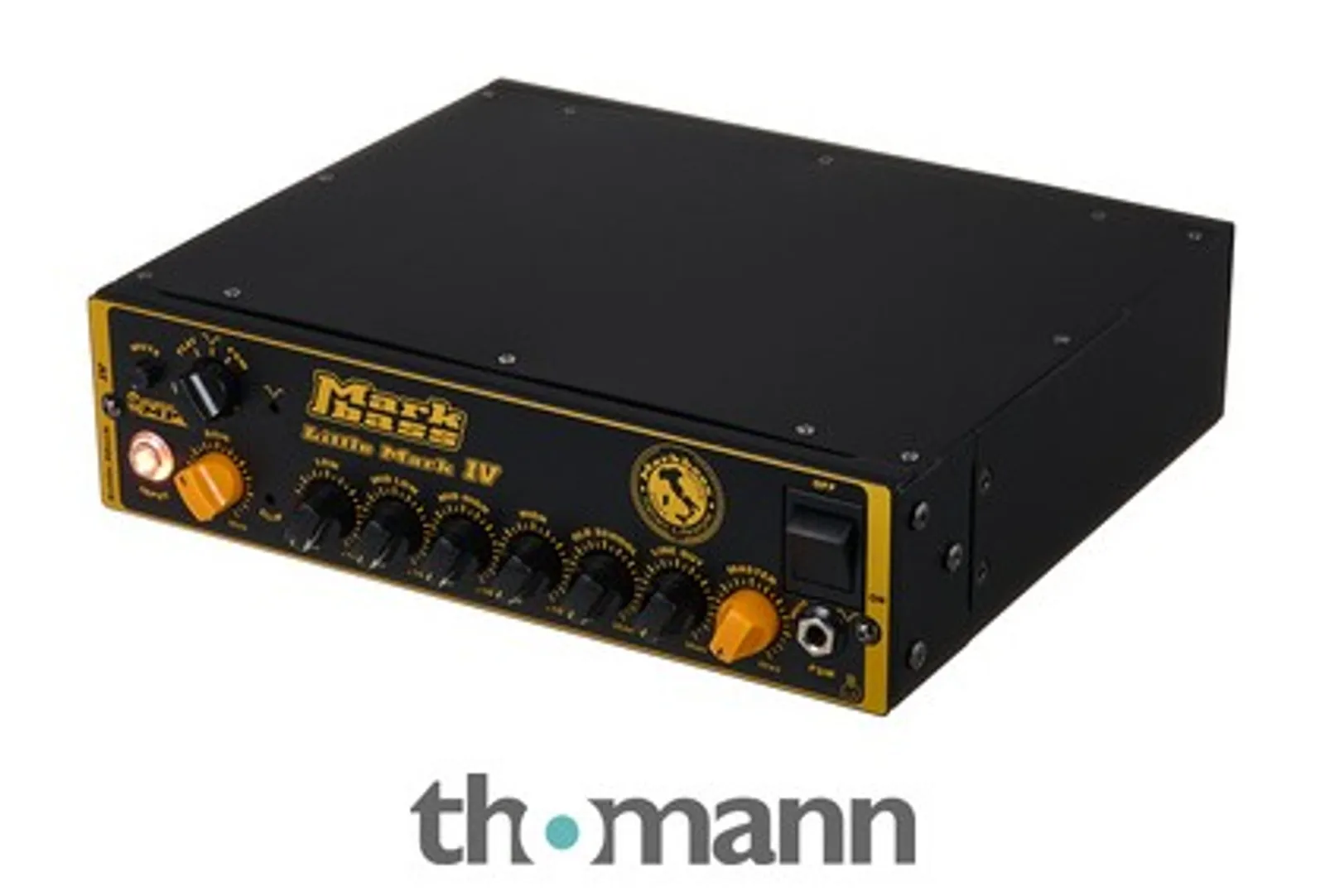 Bass AmplifiersMarkbass Little Mark IV
Bass Amplifier Head
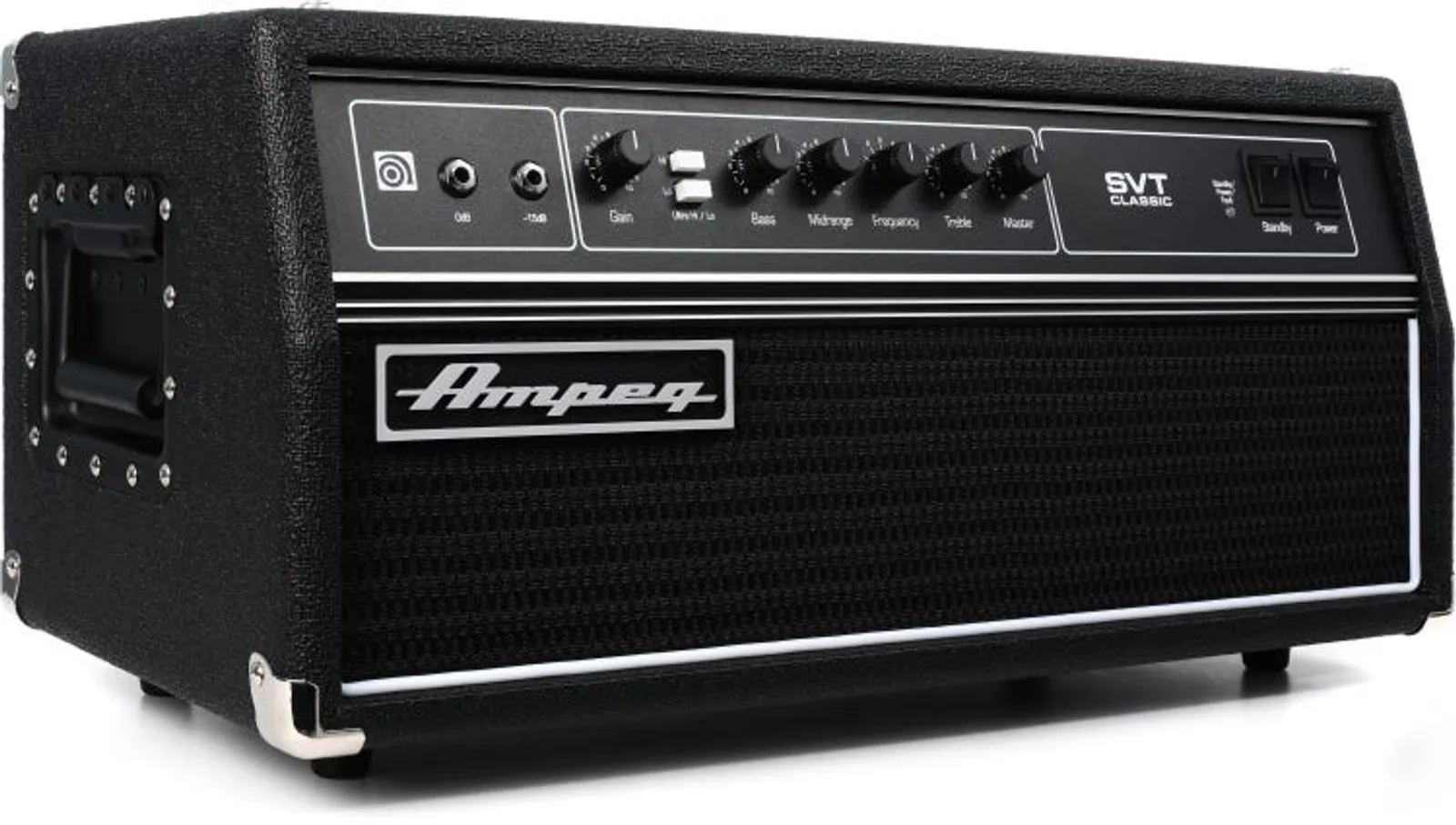 Bass AmplifiersAmpeg SVT-CL
Bass Amplifier Head
AmplifiersAmpeg BA-115Bass Combo Amplifier
AmplifiersThe Backline Company 2×12 Acoustic Guitar Combo + CabinetAcoustic Guitar Amplifier System
AmplifiersPeavey Classic 50 + 2×12 CabinetGuitar Amplifier System
AmplifiersFender Hot Rod Deluxe + 2×12 CabinetGuitar Amplifier System
Knowledge
Handbook guidance that explains the technical and production context.
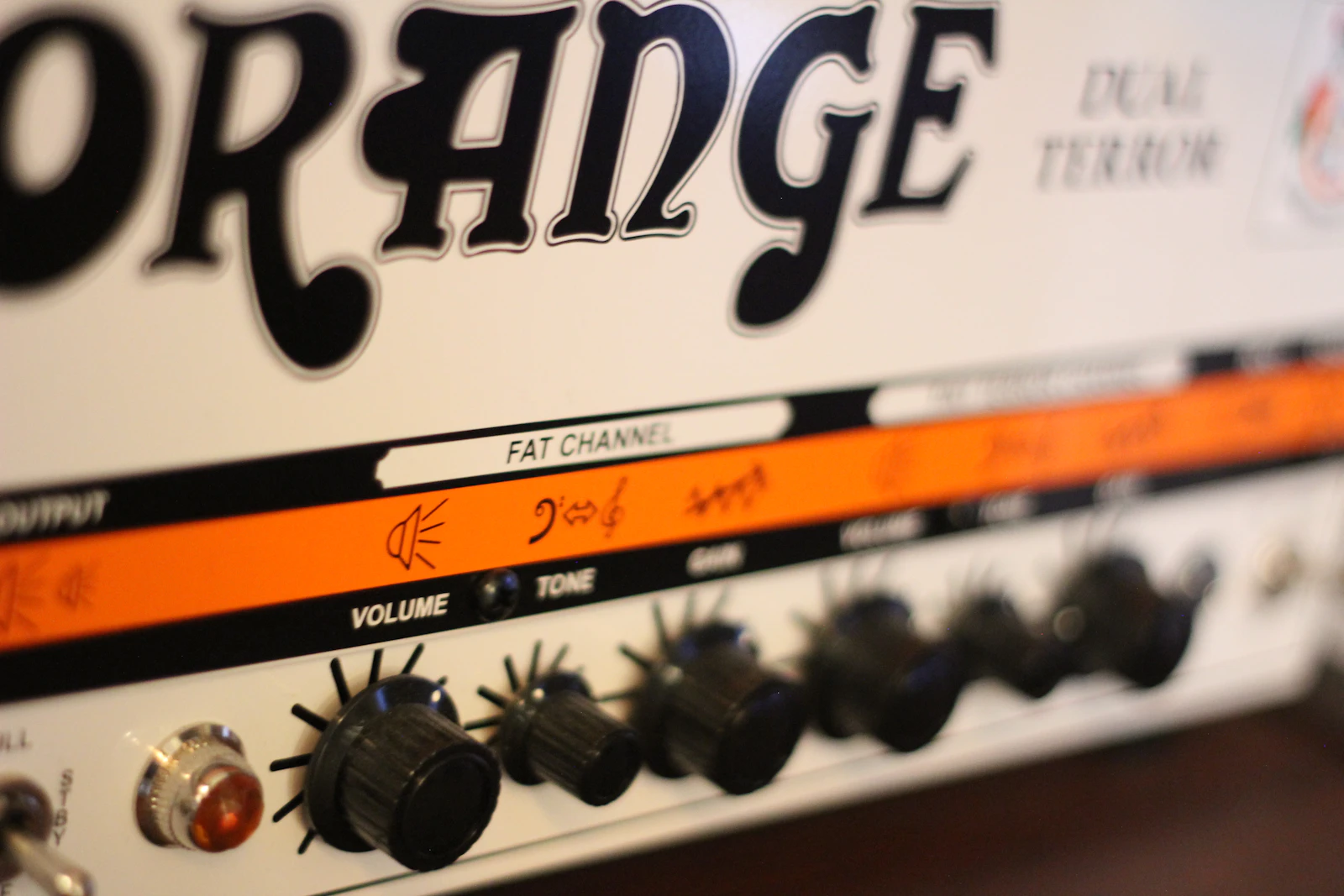 Backline ExplainedShould Bass Amplifiers Be Mic'd or Connected via DI?
Bass is often captured through a DI, a cabinet microphone or both; the correct choice depends on the player's tone, stage system and production objective.
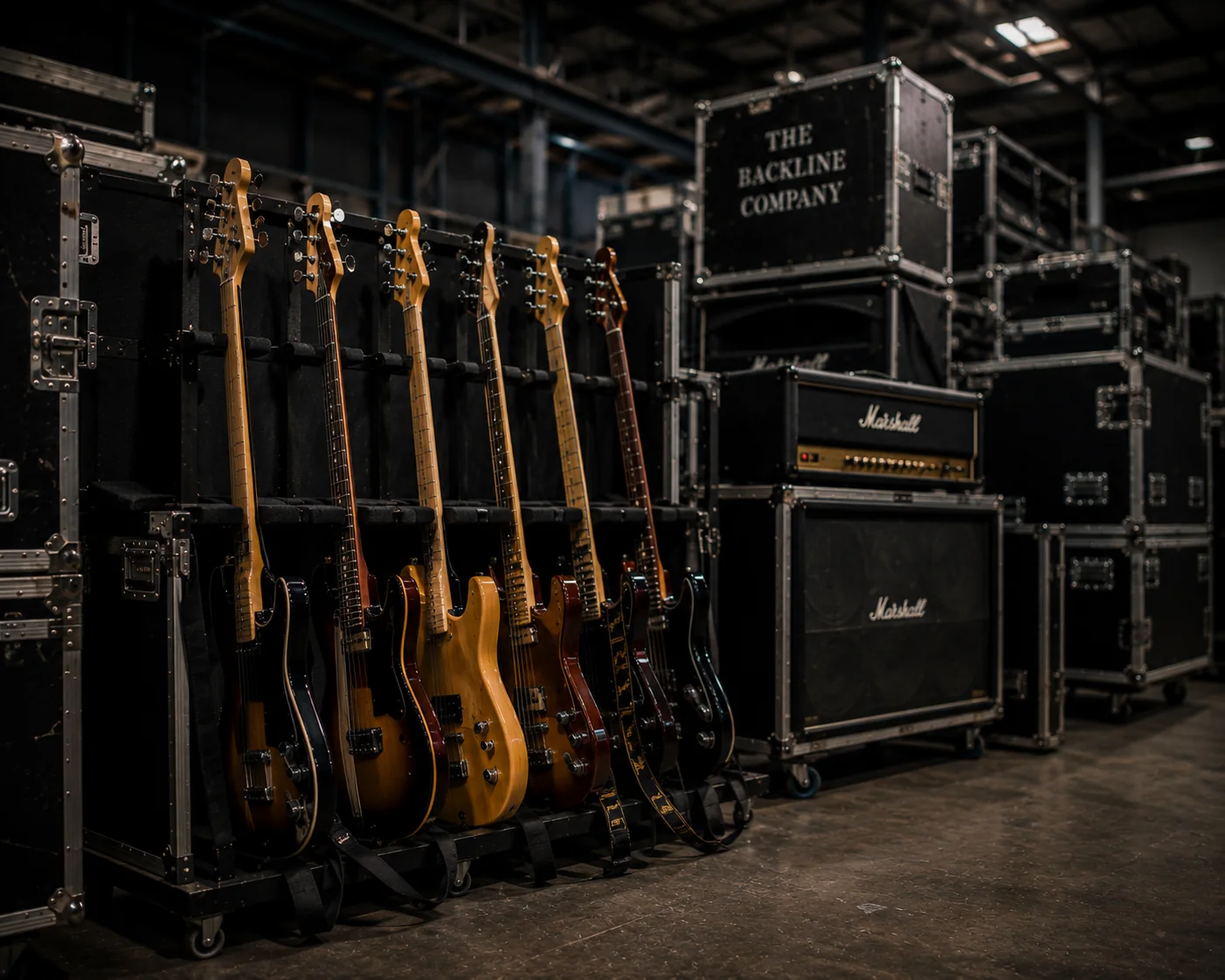 Backline ExplainedWhy Are Guitar Cabinets Pointed Sideways on Stage?
Turning a guitar cabinet can reduce direct audience spill, improve microphone control and give the player useful level without firing the loudspeaker straight into the room.
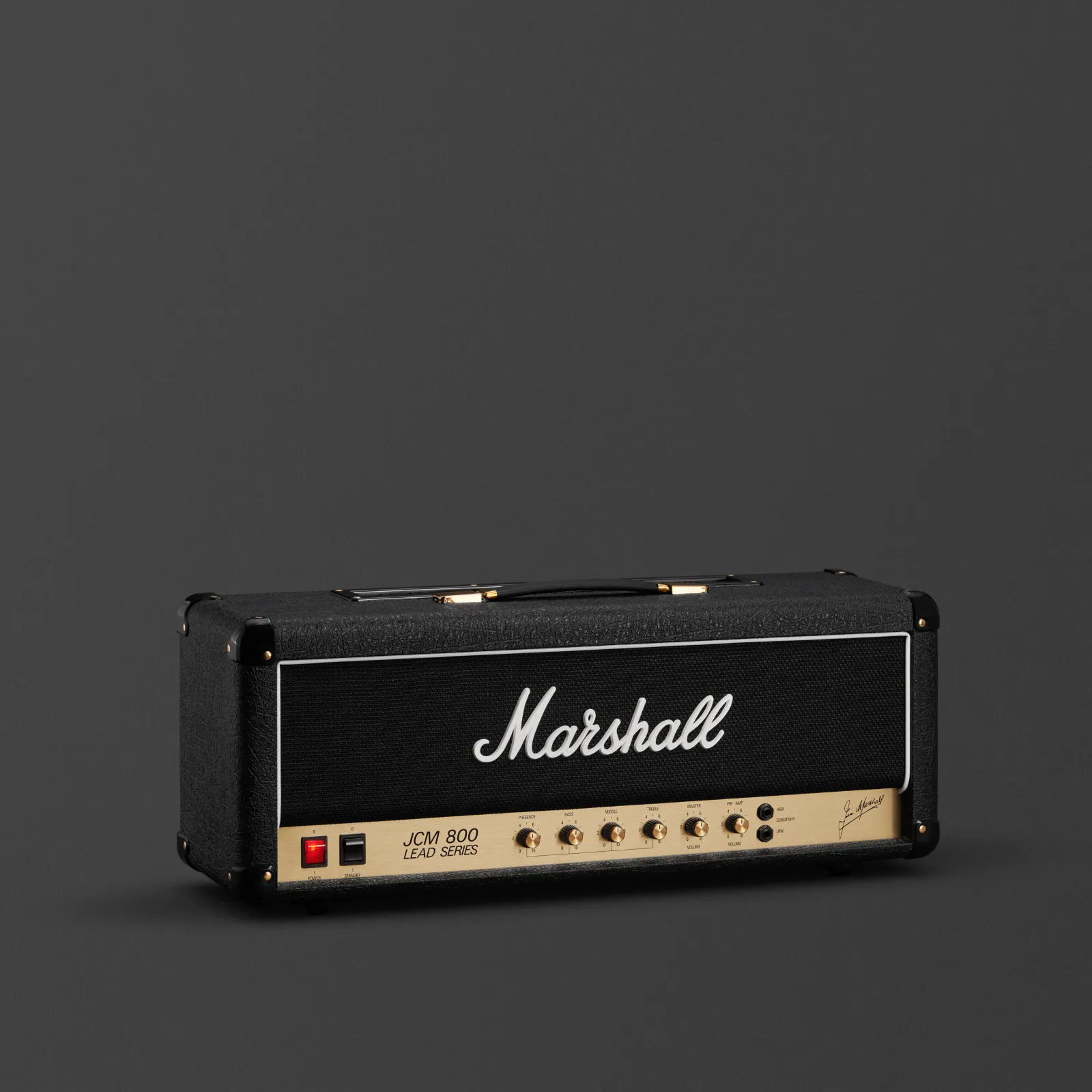 Backline ExplainedWhy Do Guitarists Prefer Valve Amplifiers for Live Shows?
Valve amplifiers remain rider favourites because their gain structure, compression, harmonics and interaction with the speaker can feel integral to the performance.
Backline ExplainedWhy Professional Guitar Amplifiers Are Mic'd Instead of Connected with a DI BoxUnderstand why conventional guitar amplifiers are normally captured with microphones, when a DI or modelled output is appropriate, and how professional productions combine these signal paths safely.
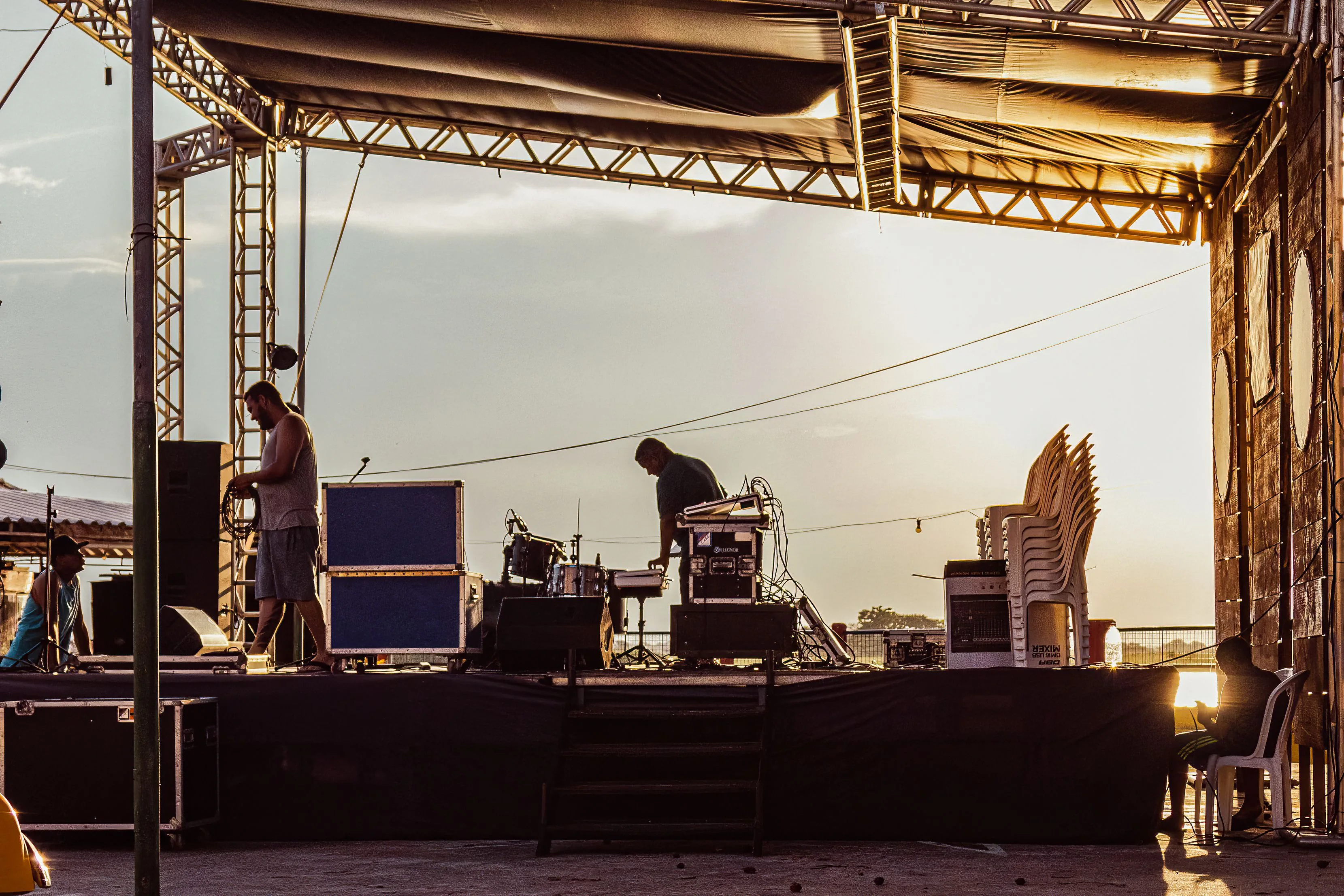 Production PlanningConcert Backline Planning
A practical guide to concert backline planning, from rider review and equipment allocation to load-in, soundcheck, show support and recovery.
 Production PlanningHow to Prepare a Professional Backline Technical Rider
Learn how to create a clear professional backline technical rider covering musicians, drums, keyboards, amplification, accessories, stage plots, power and substitutions.
 Production PlanningRecording Session Backline Planning
A professional guide to recording-session backline planning, from session goals and room access to instrument preparation, noise control, alternatives and recovery.
Production PlanningTelevision and Broadcast Backline PlanningA professional guide to television and broadcast backline planning, including camera layouts, silent stages, continuity, playback, redundancy and rehearsal control.
 Live ProductionFestival Backline and Artist Changeovers
A professional guide to festival backline planning, shared systems, artist changeovers, technician cues, line checks, contingencies and recovery.
 Backline FundamentalsWhat Is Backline? A Professional Guide to Backline Gear Rental
Learn what professional backline really means and how touring-grade equipment, proven preparation methods and production expertise support successful live events across India.
 Backline ExplainedWhy Do Keyboardists Use DI Boxes but Guitarists Use Microphones?
The difference begins with where each instrument's finished sound is created: inside most keyboards, but after the amplifier and loudspeaker for conventional electric guitar.
 Touring & LogisticsTouring Backline Across Multiple Cities
A practical guide to multi-city touring backline, including advancing, equipment continuity, transport, technicians, spares, maintenance and inter-city handovers.
 Production PlanningWhat Determines a Professional Backline Rental Quote?
Learn what shapes a professional backline rental quote, which information improves accuracy and why comparable equipment lists can produce different production scopes.
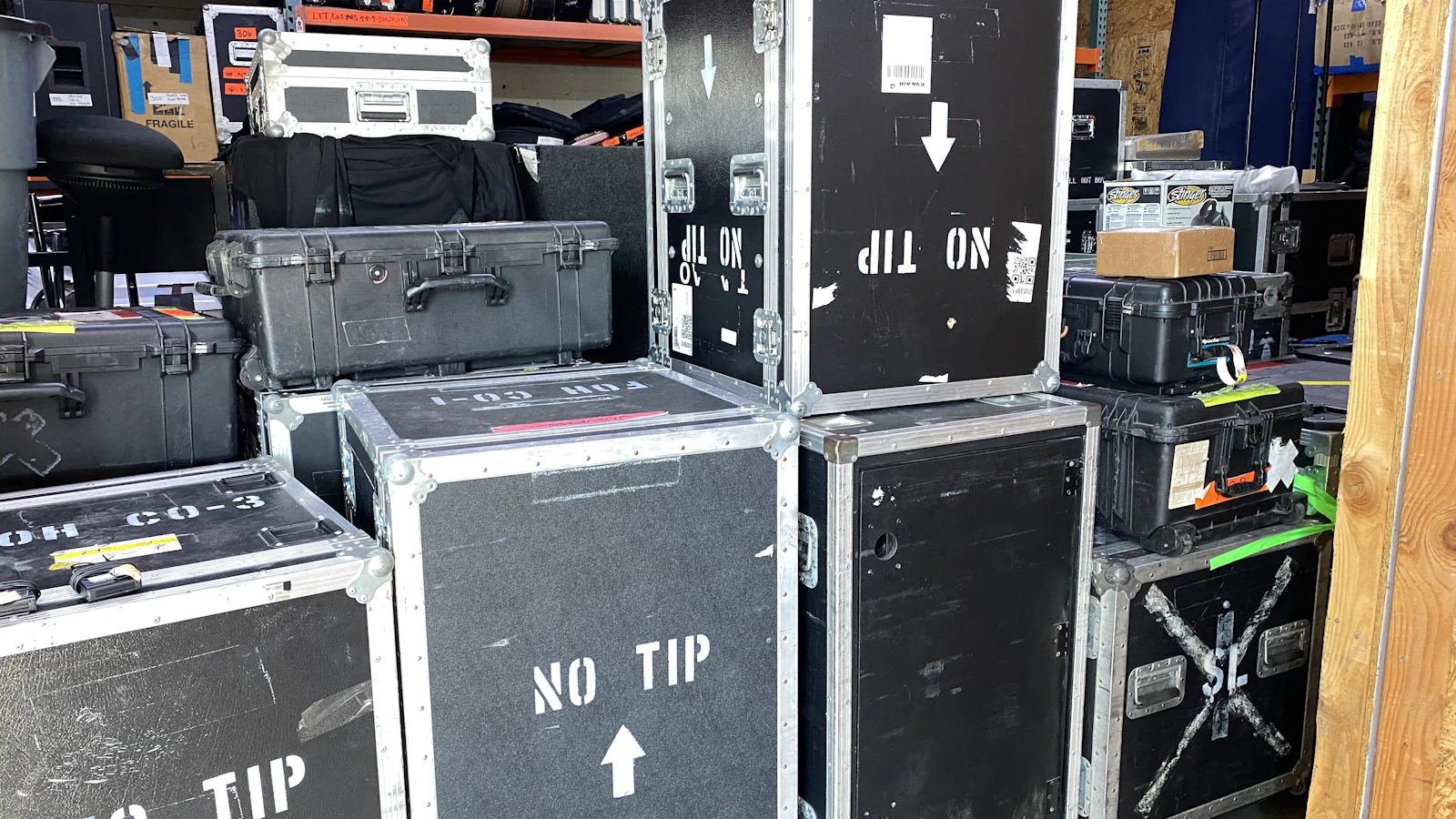 Backline ExplainedWhy Do Professional Tours Carry Spare Amplifiers?
A tour spare is a tested recovery path selected around show-critical failure, compatibility, changeover time and the realities of the route.
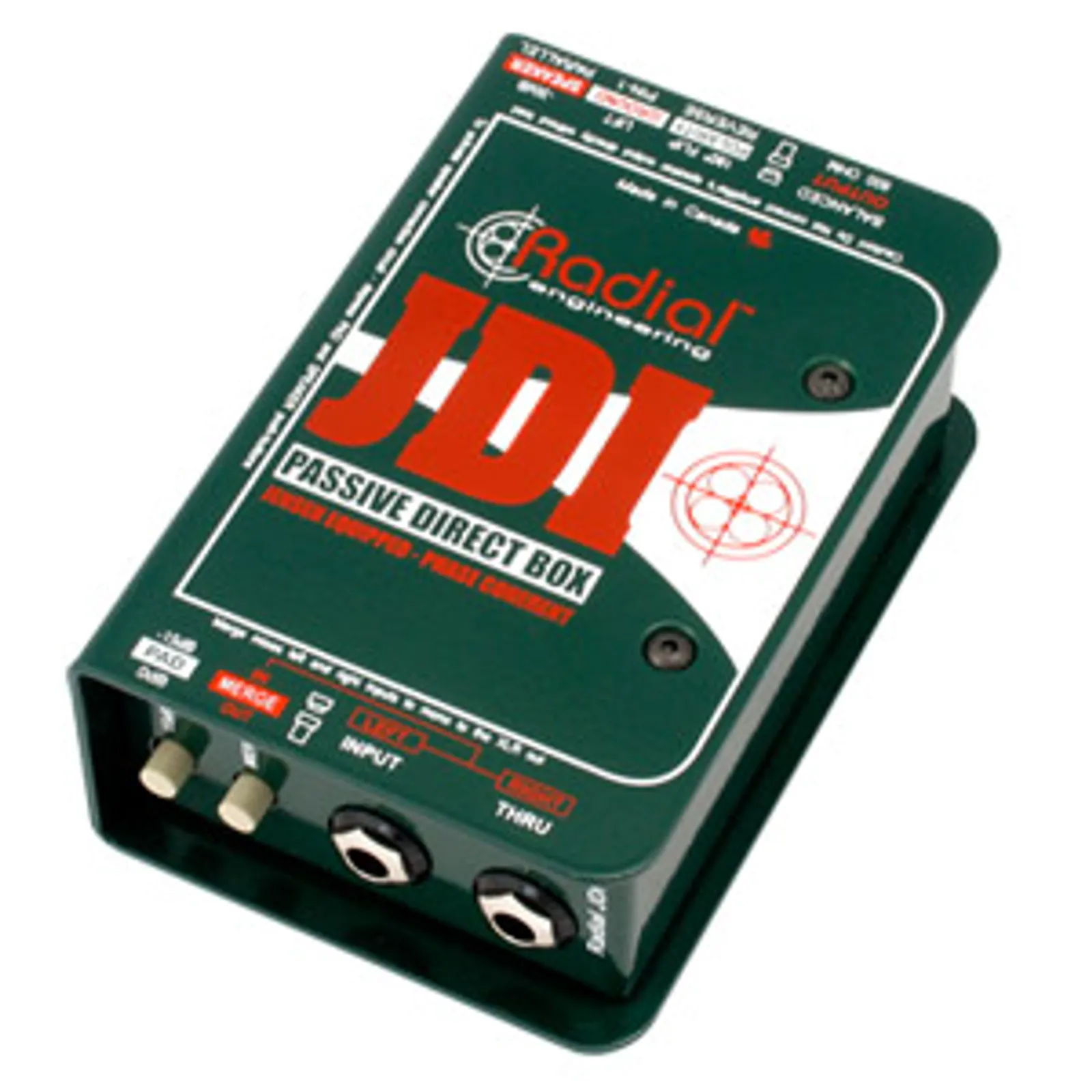 Backline ExplainedActive vs Passive DI Boxes Explained
Active and passive DI boxes solve the same interface problem differently; the source impedance, level, power and isolation requirement determine the right choice.
 Backline ExplainedWhy Does In-Ear Monitoring Change Backline Requirements?
In-ear monitoring changes stage volume, signal splits, ambience, communication, amplifier roles and contingency planning around the backline.
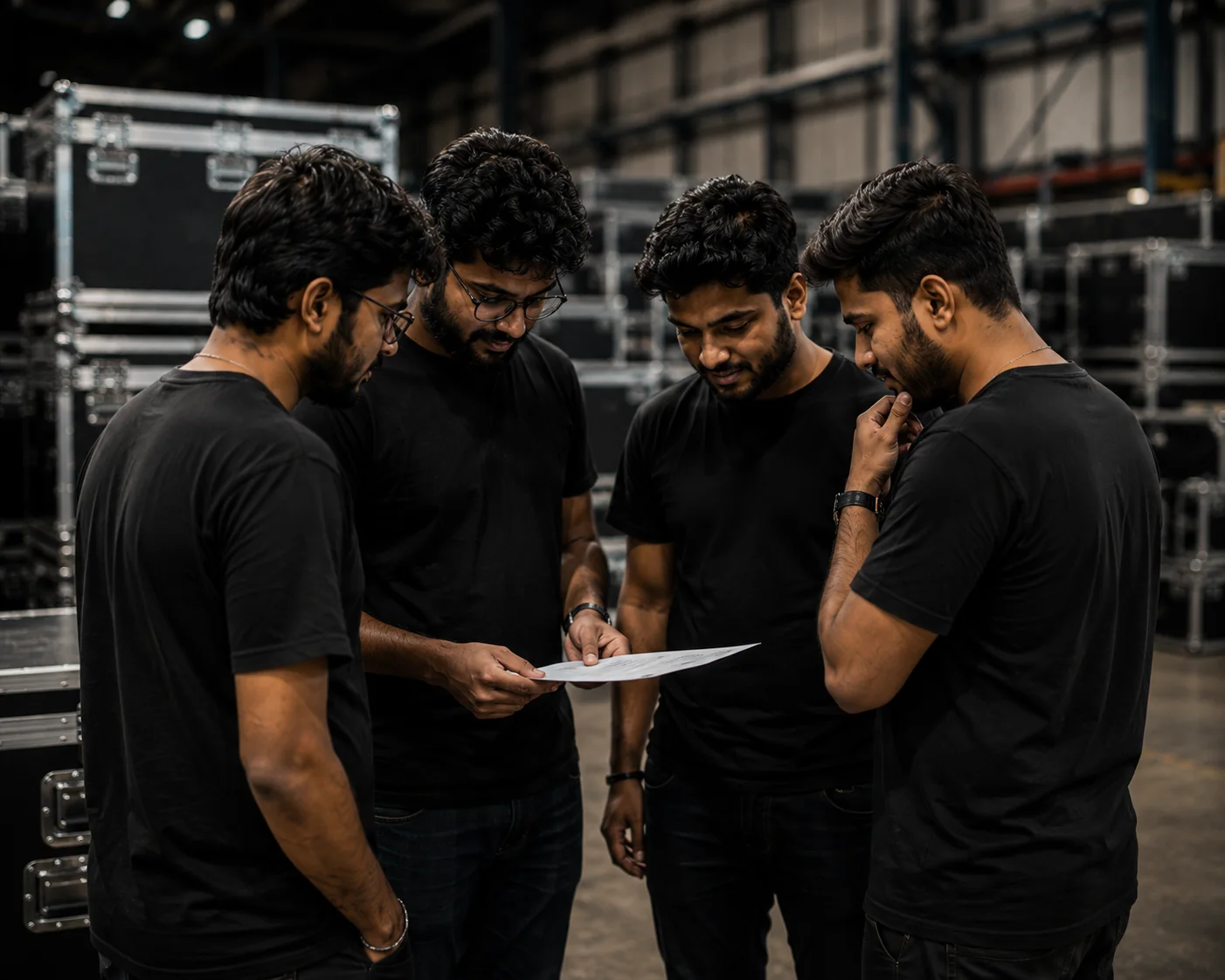 Industry InsightsHow to Choose a Backline Rental Partner
Learn how to assess a professional backline rental partner beyond inventory and price, using production capability, preparation, technicians, evidence and commercial clarity.
 Backline ExplainedWhy Does Stage Volume Matter?
Stage volume affects what musicians hear, what microphones capture, how the audience mix behaves and how safely the production can operate.