The Handbook
Backline Explained
Answer focused technical questions about the instruments, amplification and signal paths used in professional productions.
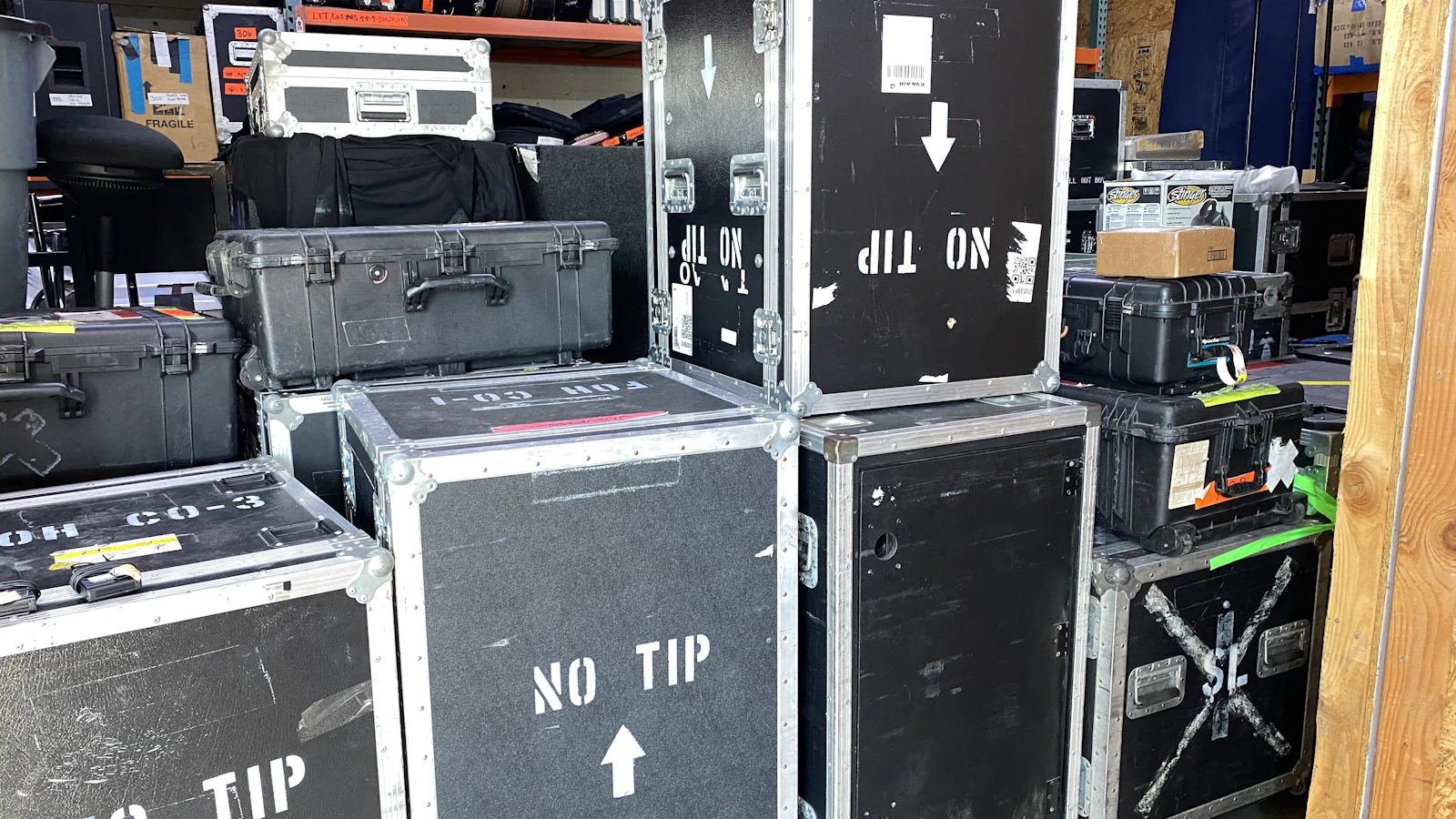 Why Do Professional Tours Carry Spare Amplifiers?A tour spare is a tested recovery path selected around show-critical failure, compatibility, changeover time and the realities of the route.Read Article →
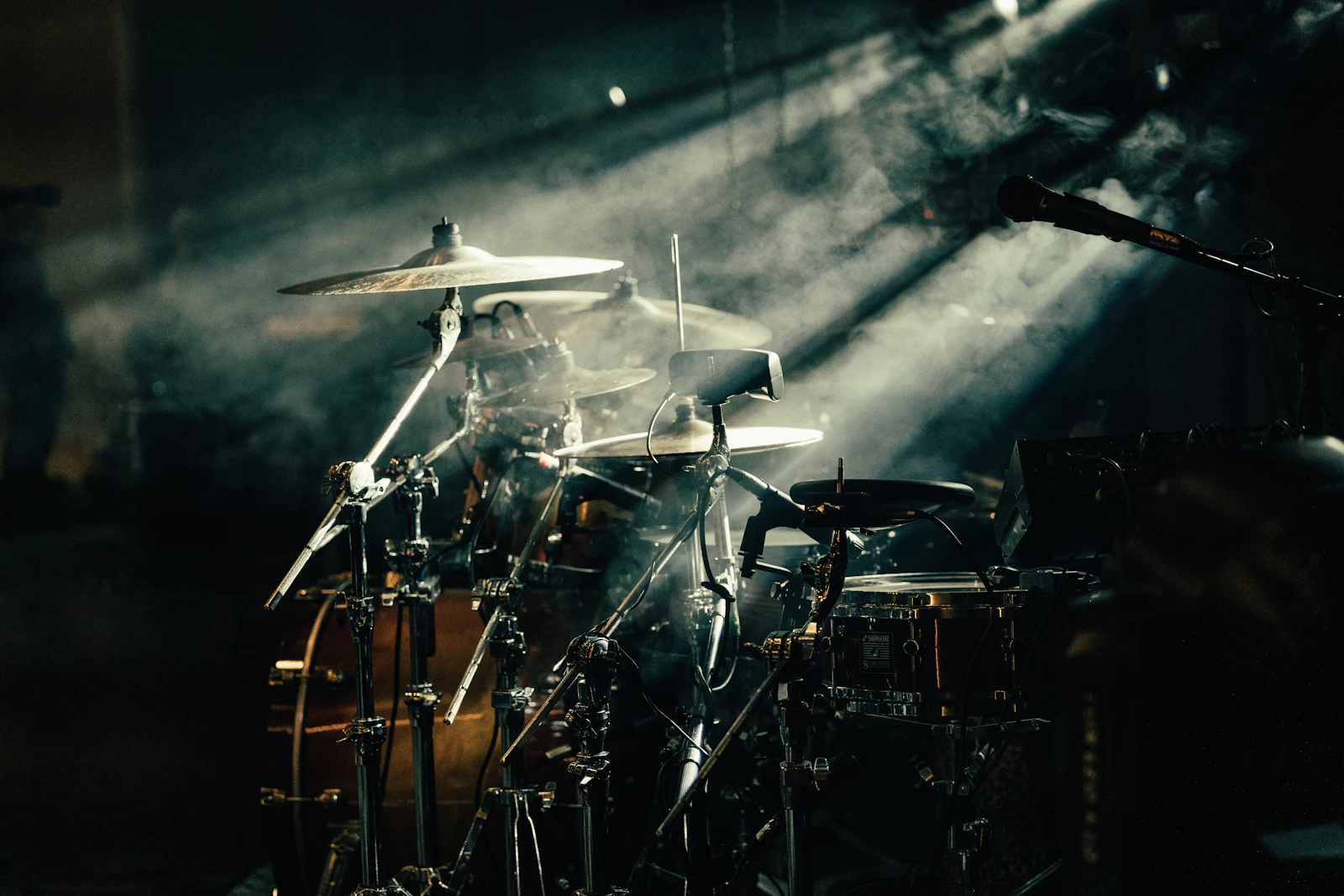 Why Does In-Ear Monitoring Change Backline Requirements?In-ear monitoring changes stage volume, signal splits, ambience, communication, amplifier roles and contingency planning around the backline.Read Article →
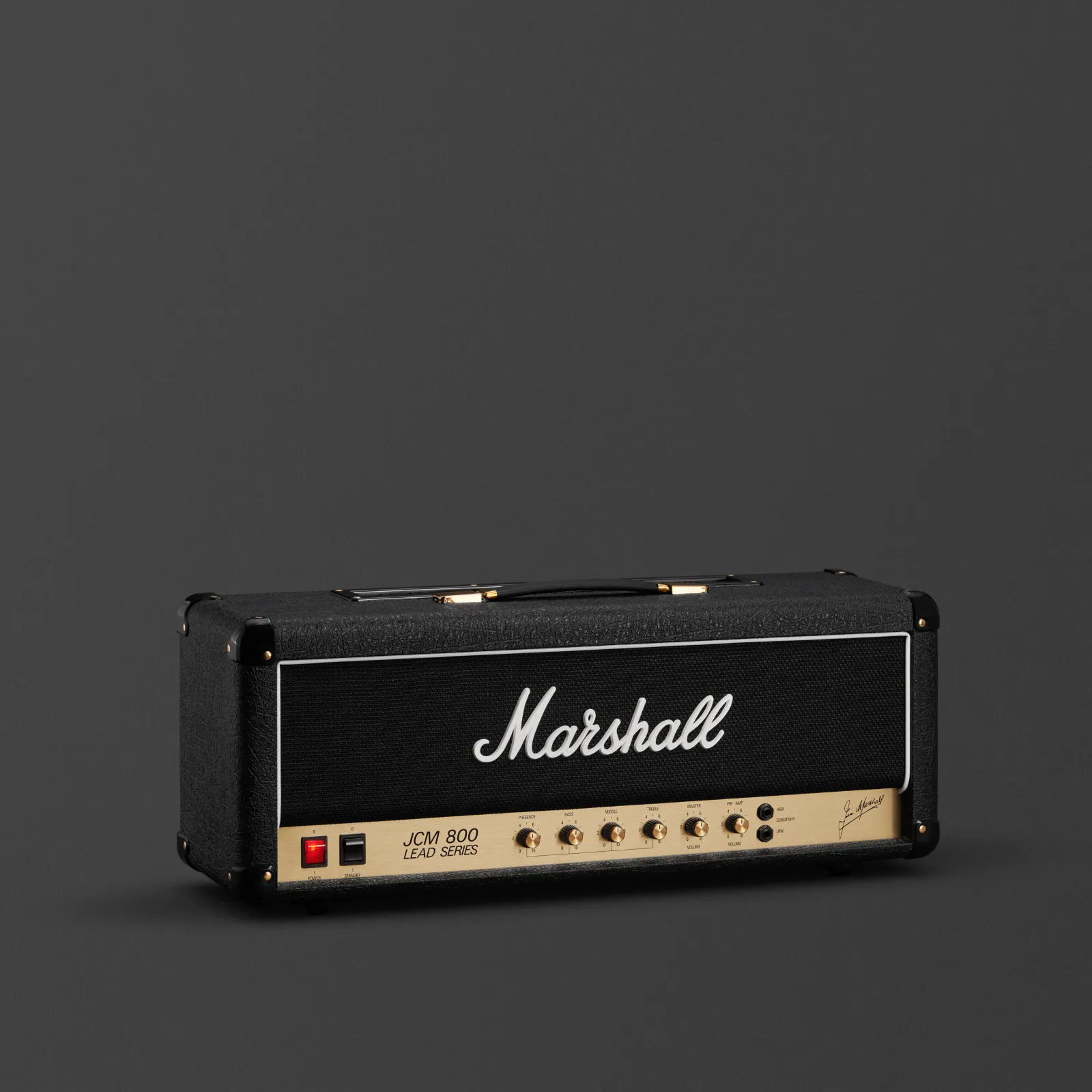 Why Do Guitarists Prefer Valve Amplifiers for Live Shows?Valve amplifiers remain rider favourites because their gain structure, compression, harmonics and interaction with the speaker can feel integral to the performance.Read Article →
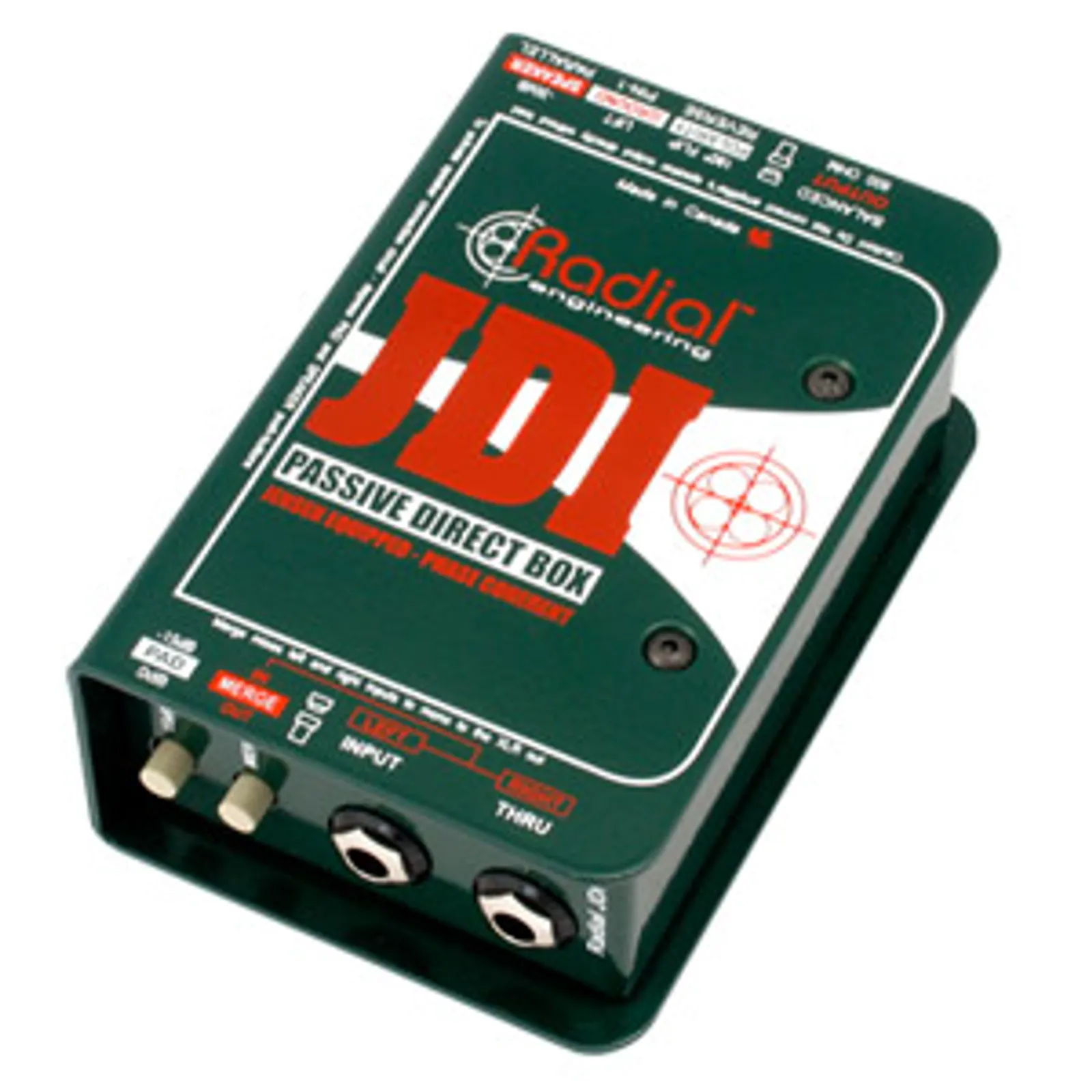 Active vs Passive DI Boxes ExplainedActive and passive DI boxes solve the same interface problem differently; the source impedance, level, power and isolation requirement determine the right choice.Read Article →
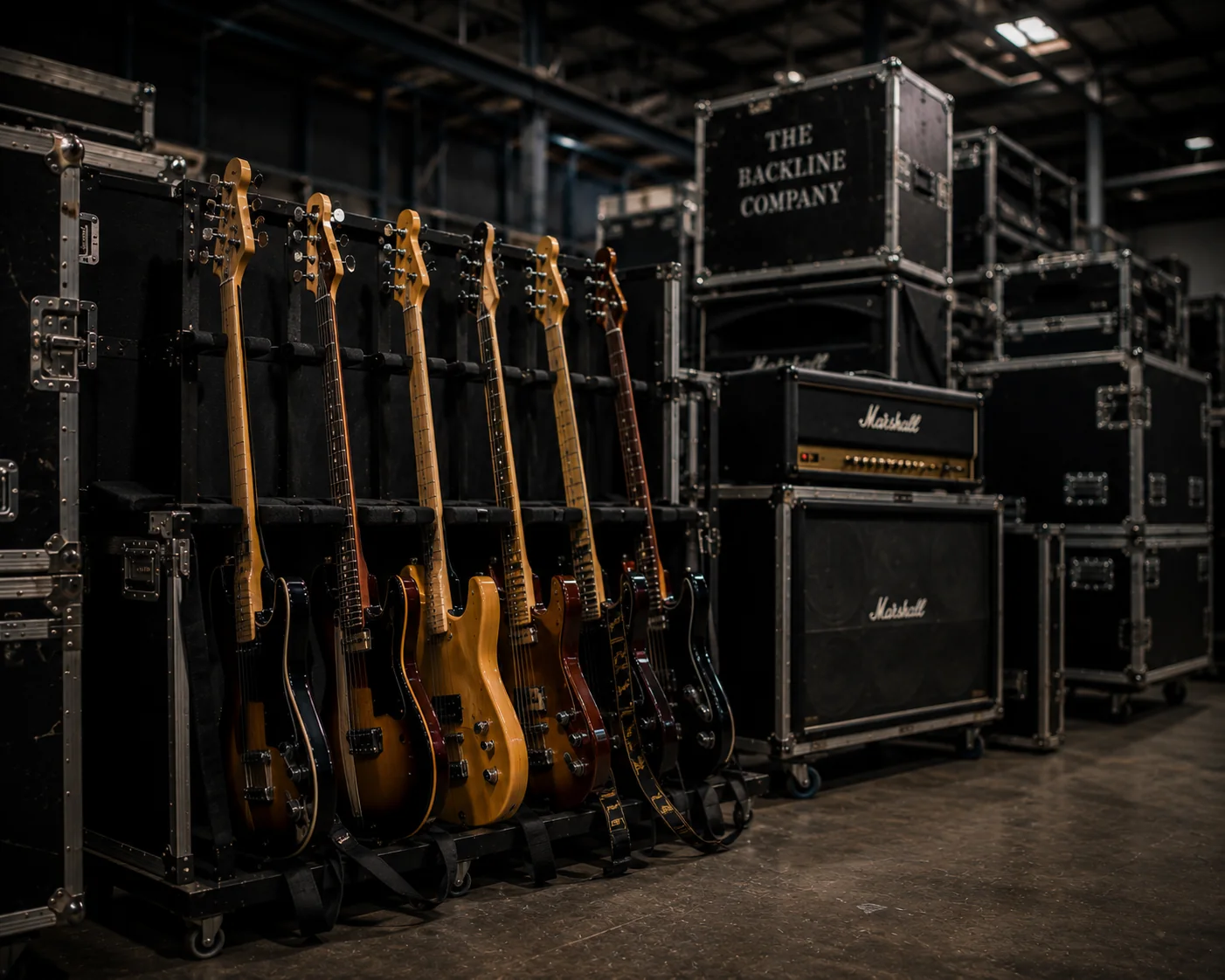 Why Are Guitar Cabinets Pointed Sideways on Stage?Turning a guitar cabinet can reduce direct audience spill, improve microphone control and give the player useful level without firing the loudspeaker straight into the room.Read Article →
 Why Does Stage Volume Matter?Stage volume affects what musicians hear, what microphones capture, how the audience mix behaves and how safely the production can operate.Read Article →
 Why Can't Every Keyboard Be Replaced with a Nord?Nord instruments are professional standards, but keyboard substitutions must match action, sounds, splits, controls, files, outputs and the musician's performance workflow.Read Article →
 Why Does Every Drummer Ask for Different Cymbals?Choose professional cymbals by musical role, response, projection and the drummer's touch—not by alloy, price or brand ranking alone.Read Article →
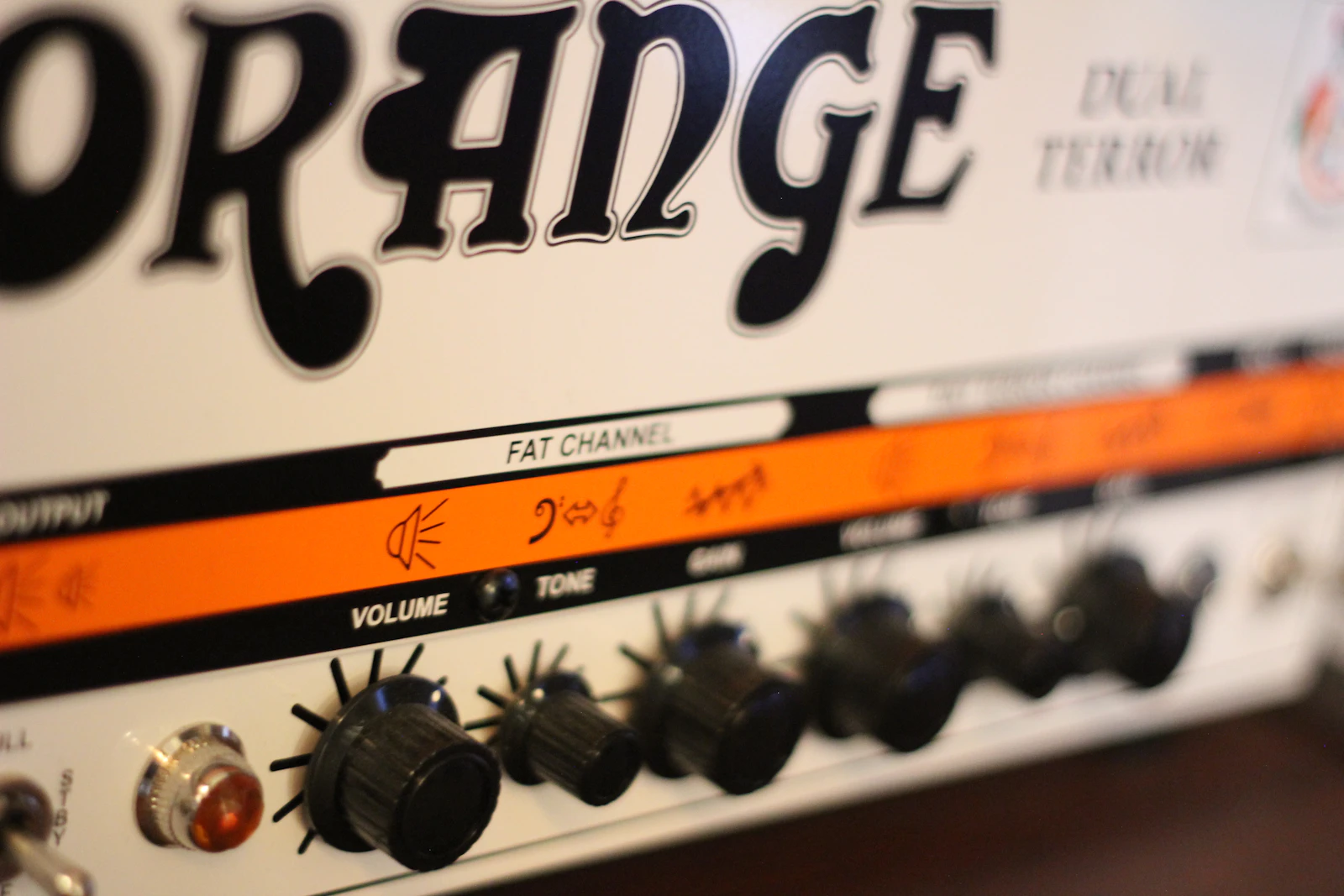 Should Bass Amplifiers Be Mic'd or Connected via DI?Bass is often captured through a DI, a cabinet microphone or both; the correct choice depends on the player's tone, stage system and production objective.Read Article →
 Why Do Keyboardists Use DI Boxes but Guitarists Use Microphones?The difference begins with where each instrument's finished sound is created: inside most keyboards, but after the amplifier and loudspeaker for conventional electric guitar.Read Article →
 Why Professional Guitar Amplifiers Are Mic'd Instead of Connected with a DI BoxUnderstand why conventional guitar amplifiers are normally captured with microphones, when a DI or modelled output is appropriate, and how professional productions combine these signal paths safely.Read Article →